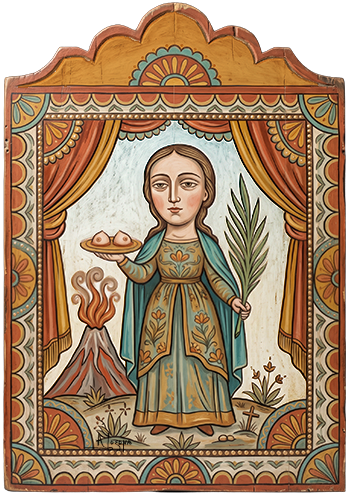
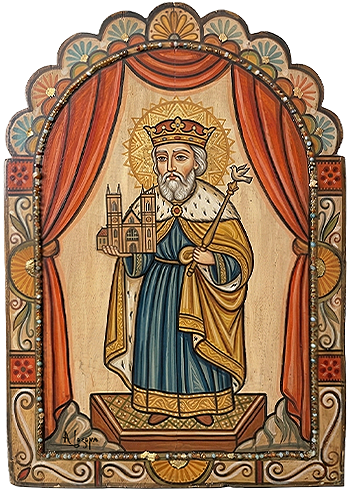
Early Life & Calling: Born in Antioch and later settled in Alexandria, Andronicus was a wealthy silversmith and banker, living a devout life with his beloved wife Athanasia and their two children, John and Mary. His life of comfort was shattered when both his children died within a week, a profound tragedy that sparked a radical re-evaluation of his worldly attachments and a deep yearning for spiritual solace.
Acts of Devotion: Overwhelmed by grief, Andronicus and Athanasia mutually agreed to renounce their possessions and dedicate their lives to God. Andronicus journeyed to the monastic desert of Sketis, living a life of extreme asceticism and prayer. Unbeknownst to him, Athanasia also entered a nearby monastery disguised as a eunuch named Anastasius, and they spent twelve years in spiritual companionship without recognizing each other, enduring intense trials and temptations through faith.
Historical Impact: St. Andronicus, often venerated with St. Athanasia, remains a powerful example of how profound loss can lead to radical spiritual transformation and an intensified pursuit of God. Their story highlights the virtues of renunciation, perseverance in asceticism, and the enduring power of faith to transcend even the deepest earthly sorrow, inspiring countless individuals to seek a more dedicated spiritual path.
A House of Saints Prayer: Oh, Blessed St. Andronicus, you knew the ache of a parent's heart, the quiet sorrow that changes the soul's direction. We pray for your intercession, that our grief may be softened like clay, molded by grace into a vessel of faith. Guide us, like the desert wind, to find peace in stillness and strength in letting go, walking ever closer to the Heart of God, Amen.